
Progression into Leadership in UK Immigration Advice

Organisation Profile
This case study outlines a journey of someone with lived experience of migration to leadership within UK immigration advice with FIAP training and support.
The individual began their career in Turkey as a lawyer and project manager with UNHCR, working primarily in resettlement. They later moved to the UK to study a full-time Master’s degree at the University of Essex, alongside a legal consultancy project for UNHCR.
While studying, they volunteered with RAMA (Refugee, Asylum Seeker and Migrant Action) and the University of Essex Law Clinic, gaining practical experience of UK asylum and immigration systems. RAMA later offered paid employment, initially working in asylum hotels. Although they had concerns about applying for paid roles, support from the EbE Employment Network and a mentor helped build confidence.
Driven by a desire to address systemic injustices, they completed the IAA Level 1 exam, achieving a 98% pass rate, followed by Level 2 in 2025.
With strong support from the FIAP Trainer, they progressed from volunteer to caseworker and are now a full-time Team Leader, supervising new advisors and trainees, including those with lived experience of migration. Since then, RAMA has registered at IAA Level 3, employing a part-time solicitor with the aim of developing their appeals work.
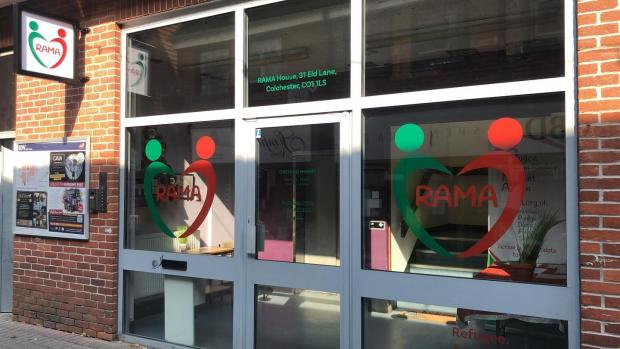
Top Tips from RAMA on Developing Your Advice Service
1. Have an employee/volunteer who is very committed to developing their legal knowledge or has a legal background, either in the UK or in any other country (preferably with experience of the migration field)
2. This proposed employee/volunteer should have an intention to become an immigration advisor
3. The organisation can hire this person as a caseworker at the beginning
4. The organisation should support the employee for exam preparation (through giving days off)
5. At the beginning, it would be better to focus on certain immigration applications like Migrant Victims of Domestic Abuse Concession (MVDAC), Change of Conditions(CoC) etc.
6. Have a partnership with an organisation supporting small charities for their IAA registration, such as Refugee Action. Establish a partnership in the area where you are practising. For instance, if you make a CoC application, have an official/unofficial partnership
7. Ask other charities or law firms for pro bono work and provide legal supervision for the employee (optional).
8. Be part of the Free Movement, ILPA and Refugee Action Legal Group (RALTG) Google Group and other case discussion groups
9. Extend your scope and apply for more funding, e.g. from the Council, Police, and Integrated Care Board (ICB).
10. Keep separate funding data for cases, and provide a report regarding the organisation's work and its contribution in the area.
11. RAMA holds a sponsorship licence and can, through it, sponsor skilled people as employees, making RAMA more attractive than many other organisations. In our team, many of us have been sponsored under RAMA. Of course, this is not the only reason we work there; they are also very supportive. However, the sponsorship issue is important for migrant workers.
Wishing you the best of luck!
The RAMA Team